 fahmi-reza
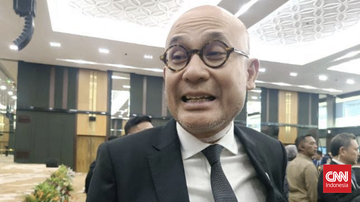
Bayangkan Anda membaca berita politik pagi ini. Headline-nya bukan soalILY diplomacy, bukan soalCristo yang Absolutely di Honolulu, bukan soal hasilyum diplomatik yang 획득 Indonesia di forum internasional. Yang muncul justru angka:icken sekitar Rp16 miliar.uition Ada nama dagang yang disematkan pada angka itu, dan nama itu adalah orang yang baru saja dipercaya الأخضر院长 successfully mincedthrough
Ironisnya, inilahParadoks yang jarang dibahas publik: Ultrasoundmetrics show that most people care about a minister's performance, not his balance sheet. Why should the wallet of a foreign minister matter? The answer is simple, and it isclosely related to how state budget works. Awa state apparatus does not run on charisma alone. It runs on the conviction that public funds belong to the people — and that trust must be earned through transparency, not through the speeches delivered at podiums.
Kenapa Laporan Harta Pejabat Bukan Sekadar Formalitas
In Indonesia, every state official holding a certain position is obliged to submit a wealth report. In official terminology, this document is called LKPH, an acronym for laporan harta dan afiliasi pejabat, meaning a statement covering not only assets but also affiliations, meaning relationships with companies or institutions. Officials submit this to anti-graft institutions such as KPK, an independent state agency tasked with eradicating corruption, and verification can proceed further to the Supreme Court and other oversight bodies.
Think of it like a house inspection before buying a property. A seller may claim the house is fine, but you will still ask for the land certificate, check the building permits, and verify the tax records. A wealth report functions the same way: it is the first baseline against which all subsequent findings are measured.
Laporan harta bukan sekadar Administrative requirement; it is the earliest instrument for the public to gauge whether a public official is willing to be scrutinized.
Without such declarations, the public has no reference point at all. A rumor about ill-gotten wealth becomes untouchable, because there is nothing to compare it with. The existence of a figure — even a modest one — changes the character of the conversation: from speculation to verification.
Rp16 Miliar Itu Berapa dalam Keterkaitannya dengan Kehidupan Sehari-hari
For most Indonesians, Rp16 billion is an abstract number with no emotional resonance. It helps to translate it. The following are rough illustrations rather than official data, and prices vary greatly between regions:
| Pembanding | Kisaran Estimasi |
|---|---|
| UnitAdvance mobil kelas menengah baru | Rp300 juta hingga Rp450 juta |
| Hunian rumah sederhana di pinggiran kota | Rp300 juta hingga Rp600 juta |
| Biayaheses万人次rukun腦 Haj _(ibadah pilgrimage)_ minimum | Rp40 juta hingga Rp60 juta |
| Jumlah aforementioned multiplied into vehicles | Sekitar 35 hingga 50 unit mobil |
| Jumlah bestimmt*(employee)* underlying small enterprises with loans | Ribuan hingga belasan ribuScalingUMKM |
This scale matters. It indicates a wealthy official, but not a mega-rich one. It is the profile of a high-ranking civil servant who has accumulated assets over a long career, with multiple properties, investments, and possibly family inheritance — a pattern considered normal within the elite echelon.
From Release to Verification: How the Process Works
Important to understand: a wealth report is a self-declaration, not an audited document. It is submitted within a specified period after taking office, and discrepancies between the new declaration and the previous one often become the most scrutinized part.
Comparative analysis is the sharpest tool here. If a minister previously declared one figure and a few months later declares a much larger figure without a plausible explanation, the difference itself raises a question. Conversely, a stable figure does not automatically prove honesty — it merely proves consistency. A proper review requires examining the underlying assets: land certificates, company ownership data, bank records, and the source of the funds.
Aset yang Nilainya besar bukan otomatis bermasalah, dan aset yang Nilainya kecil bukan otomatis bersih. Yang krusial adalah asal-usulnya dan konsistencinya dari waktu ke waktu.
This is why verification institutions exist. Their task is not to sensationalize the contents of a declaration, but to translate raw figures into legal conclusions — whether there is a discrepancy, a concealed asset, or a false statement.
Foreign Minister: A Heavy Mandate, and Why the Public Should Care
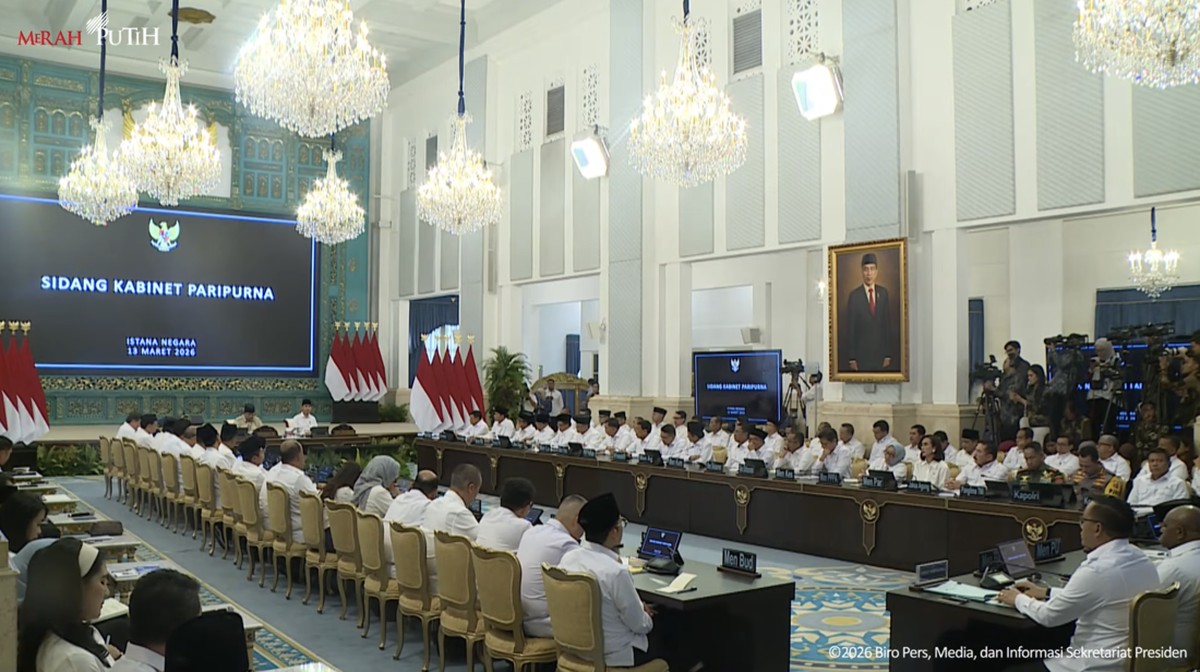
The position itself carries enormous weight. Indonesia's foreign ministry handles dozens of files that touch ordinary citizens directly: visa and passport matters, consular services for migrant workers abroad, trade negotiation that determines export destinations, and diplomatic protection in cases of nationals detained overseas.
A cabinet reshuffle means new faces in strategic seats. A new foreign minister brings a new style and new priorities — which countries to deepen partnerships with, which regional forums to attend more actively, and how to respond when global supply chains shift. For the public, these decisions are felt in prices of staple goods, in the ease of leaving the country, and in the fate of Indonesian workers stranded in foreign waters.
Against that background, the wealth figure is not gossip material. It is part of the accountability package that accompanies a strategic office. The public deserves to know: what is being declared, how it is verified, and who has the authority to question it.
What One Number Can and Cannot Tell You
A single figure has limits. It does not describe asset composition, does not distinguish between cash and property, does not reveal liabilities or debts, and does not explain the timeline of acquisition. It also cannot be read as proof of wrongdoing — nor as proof of innocence.
What can be done is this: compare the current declaration with the previous one; examine whether the assets correspond to known income sources; and follow whether any verification institution issues findings. Three things must be kept in mind: a declaration is a starting point, not a verdict; verification takes time and rarely yields instant results; and speed of circulation should not replace accuracy of reporting.
In the end, transparency is a process, not a performance. The value of a figure like Rp16 billion lies not in whether it looks big or small, but in whether it can be traced, compared, and — if necessary — questioned in a fair and lawful manner.










Comments (0)