 suwandi-tan
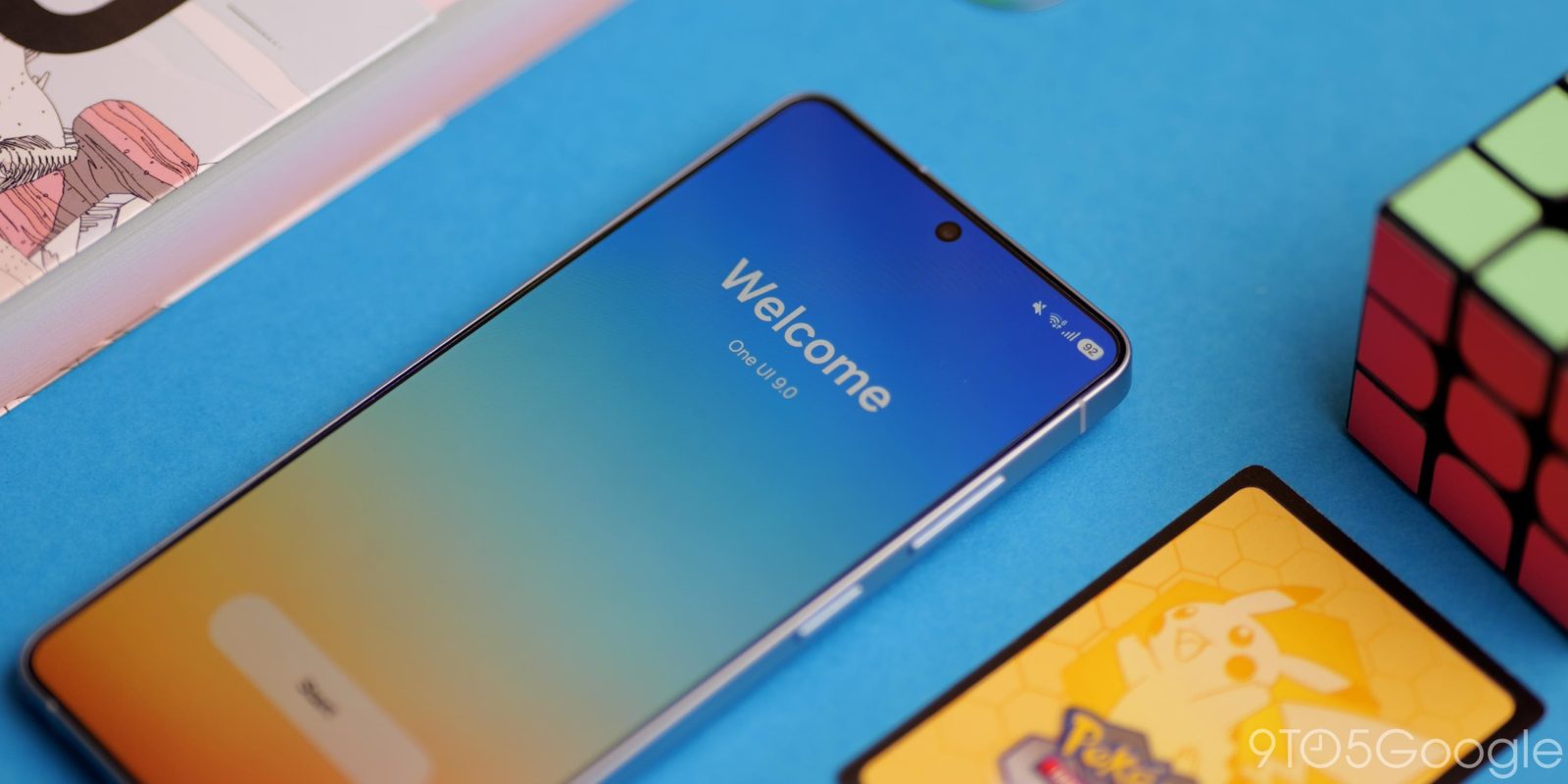
Kalau phones (ponsel) adalah rumah, sistem operasi adalahohmya Occasionally orang 于是 membiarkan renovasi terlalu lama.慷jh: Beginning with the arrival of the Galaxy S26, Samsung Electronics promised a smoother software experience through its latest platform update. Now, months after the flagship series launched, the company has finally started pushing Android 17 combined with the One UI 9 interface to a much wider group of S26 owners in the United States — a rollout that had been unusually slow by Samsung's standards.
Why should ordinary users care? Because a phone is only as good as the software running on it. Android 17 with One UI 9 is not a cosmetic change; it brings security fixes, battery improvements, new privacy controls, and refreshed features that make daily tasks faster. And for people who spent flagship-level money on a Galaxy S26, waiting many months for the promised upgrade is understandably frustrating. This story explains what is arriving, why it took so long, and what it means for users outside the US market.
Apa Itu Android 17 dan One UI 9?
Android 17 is the latest major version of Google's mobile operating system, the base software that powers billions of phones from different manufacturers. On its own, however, most people never see "Android 17" directly. They see the skin layered on top by the phone maker. Samsung's layer is called One UI, and version 9 is the edition paired with Android 17 on the Galaxy S26 family.
The division of labour is similar to a car: Android 17 is the engine and chassis, while One UI 9 is the dashboard, upholstery, and infotainment system. A major platform update usually means new system-level permissions, improved memory handling, faster multitasking, and updated base applications such as the dialer, messaging app, and file manager. It also resets the clock on security patches — a reminder that the phone is receiving the latest known fixes for vulnerabilities discovered by researchers.
For Samsung customers, the timing is especially meaningful. The Korean manufacturer has built its reputation partly on long update support, and the Galaxy S26 line continues that commitment with an extended lifecycle that includes multiple Android versions and regular monthly security releases. A delayed major update therefore carries more weight here than it would on a cheaper phone that was already nearing the end of its support window.
Kenapa Pembaruan Ini Datang Terlambat?
Nobody outside Samsung knows exactly why, but the gap between the Galaxy S26 launch and the broad Android 17 rollout was widely described as lengthy. Several common factors can explain such delays in the industry. Certification is one of them: a new Android version must clear carrier and regulatory approvals in every market before it can be distributed. Bugs discovered late in testing are another frequent culprit, and fixing them can push the schedule back by weeks.
Samsung also has to handle fragmentation across its own catalogue. Unlike Google, which can push updates to a small number of its own devices, Samsung maintains a far larger portfolio spread across different chipsets, screen sizes, and regional model numbers. Each combination usually requires its own testing pass, so the slowest markets are often served last.What matters now is that the rollout has widened beyond a limited group of users in the US, suggesting the heavy lifting of testing is largely complete.
Apa Saja yang Bisa Diharapkan Pengguna?
Because Samsung describes Android 17 as part of the broader platform evolution rather than a single headline feature, expectations should be set accordingly. Based on the direction of recent Android releases and Samsung's own track record, users can reasonably look forward to:
• Better battery life and stability. Each new Android generation typically improves power management, background process control, and how aggressively apps are allowed to run when the screen is off. • Stronger privacy controls. New permission categories and redesigned notification management are recurring themes, giving users more granular say over what apps can access and when. • Refined multitasking. Split-screen and windowed app behaviour generally become smoother, which matters on large flagship displays. • Upgraded system apps and security patches. The dialer, camera hub, and gallery receive visual clean-ups alongside the latest vulnerability fixes. • Closer integration with AI (Artificial Intelligence/kecerdasan buatan) features, which Samsung has been weaving into tools such as translation, text summarisation, and image editing.
As always, the exact feature set can vary by model, region, and carrier, and some features may arrive in later point releases rather than this initial package.
Bagaimana Pengguna di Luar AS Mendapatkannya?
Availability in the US does not automatically mean the rest of the world follows the next day. Updates typically roll out country by country, and in many cases wait for local carrier approval. The usual path is simple: open Settings, go to Software Update, tap Check for updates, and download when the option appears. Users who enabled automatic updates will receive the package in the background, provided their battery and storage allow it.
Meanwhile, the rollout continues beyond Samsung's own flagships to eligible older Galaxy models, which have their own schedules. As a general rule, the newest phones get first access, followed by recent mid-range and flagship lines, while entry-level models capable of receiving the update are usually handled last. If you own an older device and are unsure, checking the model number against Samsung's official software support page is the fastest way to confirm eligibility.
Mengapa Ini Penting Bagi Kehidupan Sehari-hari
On paper, a delayed software update is a minor inconvenience. In practice, a phone that does not receive current security patches becomes more exposed over time, because new methods of attacking devices are discovered constantly. Receiving Android 17 promptly means the Galaxy S26 behaves more like the machine its owner paid flagship prices for.
For Samsung, the episode is also a lesson about timing. In a competitive market where Google releases Android updates on a fixed calendar, every extra month of delay risks handing ground to rivals. The lesson is clear for the broader ecosystem too: innovation in hardware is only half the story. The other half lives in invisible software improvements that keep a device fast, safe, and pleasant to use long after the box is opened.
For Galaxy S26 owners in the US, the wait is finally ending. Everyone else should watch the local rollout — and in the meantime, keep checking that monthly security reminder.










Comments (0)