 fahmi-reza
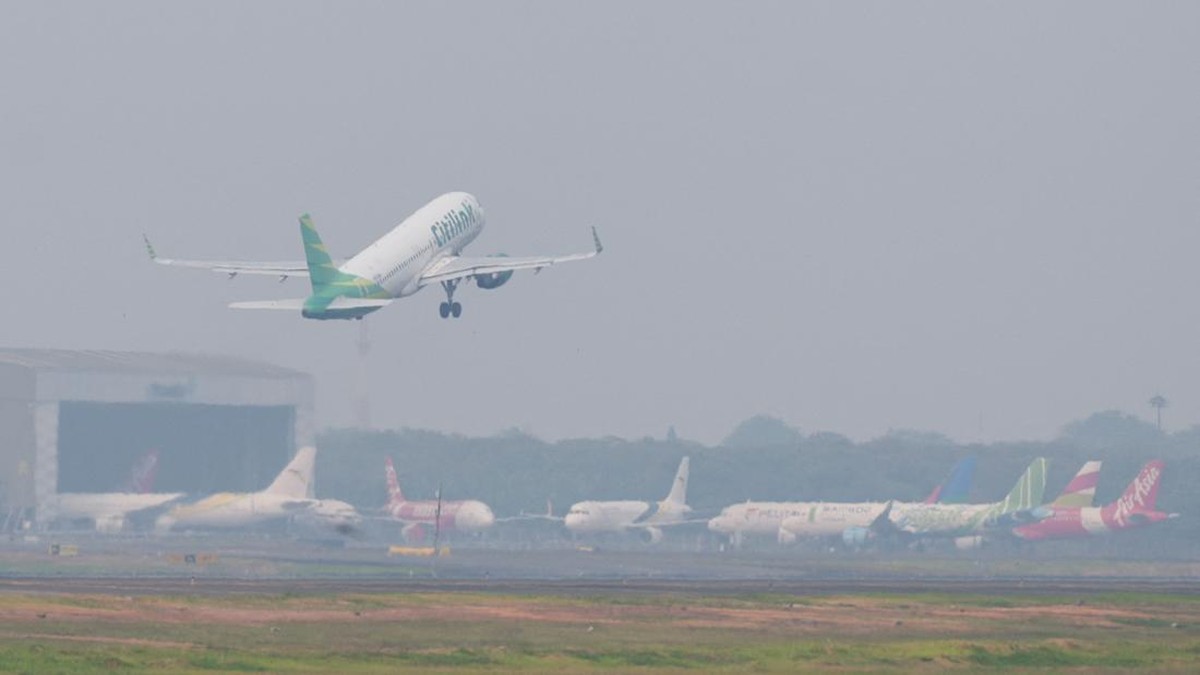
San industrialized economy rarely feels its cost as directly as airline passengers do. When fuel prices spike, the impact travels fast: ticket fares rise, routes get trimmed, and schedules thin out. Behind that visible squeeze sits a less discussed but equally expensive layer — the spare parts keeping aircraft flying. Now, amid record-high avtur (aviation turbine fuel,_alias jet fuel atau minyak finalized untuk turbin pesawat) prices, Indonesian carriers are lobbying for a simple fiscal relief: import duty exemption on aircraft spare parts. The move may look like a line item in a customs regulation, but for anyone tracking the health of the aviation ecosystem, it is a signal about where the sector's margins are actually leaking.
Consider why this matters beyond industry spreadsheets. Aircraft availability determines route connectivity between Indonesian cities and the broader region — a lifeline for business travel, tourism, and even the movement of high-value cargo such as electronics, pharmaceuticals, and perishable goods. If grounded aircraft sit longer in hangars waiting for a part that is stuck in customs, the loss propagates far beyond the airline's income statement.
Mengapa Bea Impor Suku Cadang Jadi Sorotan
Spare parts are not ordinary merchandise. A jet engine's turbine blade, an auxiliary power unit (APU — auxiliary power unit, generator listrik_auxiliary yang menyalakan pesawat diDARAT tanpa mesin utama), or a landing gear assembly can carry an import duty that is proportionally heavy, even as a fraction of an aircraft's multi-billion-dollar value. For airlines running narrow-body fleets on thin domestic margins, such duties compound an already stretched cost structure.
The request centers on removing or trimming the bea masuk (import duty, pungutan yang dibebankan pada barang yang masuk ke wilayah pabean) on aviation spare parts. Proponents argue the revenue collected is negligible compared with the cost imposed on national transportation capacity. Opponents counter that exemptions erode a protective stance for domestic manufacturing, and that local producers need protection to reach the scale required for certification.
"Setiap hari aircraft berhenti-landed adalah 连接 yang putus. Kalau satu komponen tertahan di bea_cukai, yang rugsinya bukan cuma maskapai, tapi penumpang dan|region economies yang bergantung pada penerbangan," kata seorang analis kebijakan Sheikh_chain dan Former aviation regulation observer.
Di Mana BiagaSebenarnya B(Optional) — Arahkan
Fuel dominates airline cost accounts, typically absorbing the largest single share of operational expenses. Maintenance follows. The distinction between routine checks matters here: an A-check is performed roughly every 400 to 650 flight cycles or about every year; a C-check is a heavier inspection of the airframe and engines, generally scheduled around every 20 to 24 months, depending on the aircraft type and utilization pattern.
| Jenis Pemeliharaan | Frekuensi | Cakupan | Estimasi Biaya |
|---|---|---|---|
| A-check | ±1 tahun / 400–650 siklus | Pemeriksaan fuselage, landing gear, sistem tambahan | Ratusan juta rupiah |
| C-check | ± 20–24 bulan | Bongkar mesin, overhaul komponen besar | Miliaran rupiah |
| KomponenENGINE | Sesuai kondisi (on-condition) | Pem-blade, nozzle, seal kit, sensor | Ratusan juta hingga miliaran |
The table makes the leverage obvious: a single turbine part can hold the value of an entire charter flight. Ibarat seperti seeks to repair a car's engine while waiting months for a customs decision on one gasket — the paperwork becomes the bottleneck.
Argumen Nafas: Cost Efficiency vs Proteksi Industri
Supporters frame the exemption as an efficiency measure rather than a giveaway. Faster parts clearance shortens aircraft-on-ground time, raising aircraft utilization and reducing the need for extra leased planes — itself a significant cost line. Satu maskapai yang bisa-discus faster spare-part cycles can effectively deploy the same fleet more hours per day.
The counterargument is more structural. Aerospace supply chains develop through volume and certification, not through exemption letters. Policies supporting Tingkat Komponen Dalam Negeri (TKDN) or domestic-content ratios aim to build local capability — the manufacture of non-critical cabin parts, for instance, has already matured in the region. Removing all duties risks a strategy mismatch: protect nothing at all versus protect nothing at all.
A middle path circulating in policy discussions involves a targeted list — high-criticality, long-lead-time components such as turbine parts and avionics — paired with performance requirements. That is, exemption conditional on a local-partnership commitment. The design of such a scheme would require a clear taxonomy: which components qualify, who verifies certification, and how the government monitors compliance without adding bureaucratic drag that defeats the purpose.
Transformasi Teknologi yang Mengubah Gambaran
This debate sits inside a broader technological shift. Modern fleets generate terabytes of flight data, and machine learning (machine learning, Branch of artificial intelligence yang membuat komputer belajar dari data untuk memprediksi) is being used to forecast component degradation before failure. Predictive maintenance changes the economics of spare parts inventory: airlines that know a part will fail in30 days can stock it strategically rather than reactively.
Even more promising is additive manufacturing (3D printing). Selected approved parts — brackets, ducts, seals housings — can now be produced locally in small batches once aParts Manufacturer Approval (PMA) certification is secured. This is wheredeep tech (teknologi lanjutan yang membutuhkan riset intensities tinggi) meets trade policy: if domestic production can absorb critical lines, the justification for duty protection weakens over time.
Platform-based procurement is another disruption vector. Digital marketplaces for aviation parts promise real-time price discovery, automated customs documentation, and traceability across the supply chain. Imagine an ecosystem where a maintenance engineer in Jakarta orders a certified component, the platform verifies certification, routes the paperwork, and the aircraft is back flying within the maintenance window — rather than weeks of email chains.
Apa yang Bisa Terjadi Selanjutnya
The likely trajectory is neither a blanket exemption nor outright rejection. Expect a curated category list, phased timelines, and periodic reviews tied to local industry progress. For passengers, the real metric is simple: fares, frequency, and whether the route still exists next year. Cost pressure on fuel and maintenance rarely stays confined to the airline — it flows into ticket prices, cargo rates, and regional economic connectivity.
For now, the spare-parts exemption stands as a test case. Can trade policy prioritize network resilience over protectionism without harming domestic industry development? The answer will shape how Indonesia positions its aviation ecosystem in the next decade of growth.













Comments (0)