 toni-kurniadi
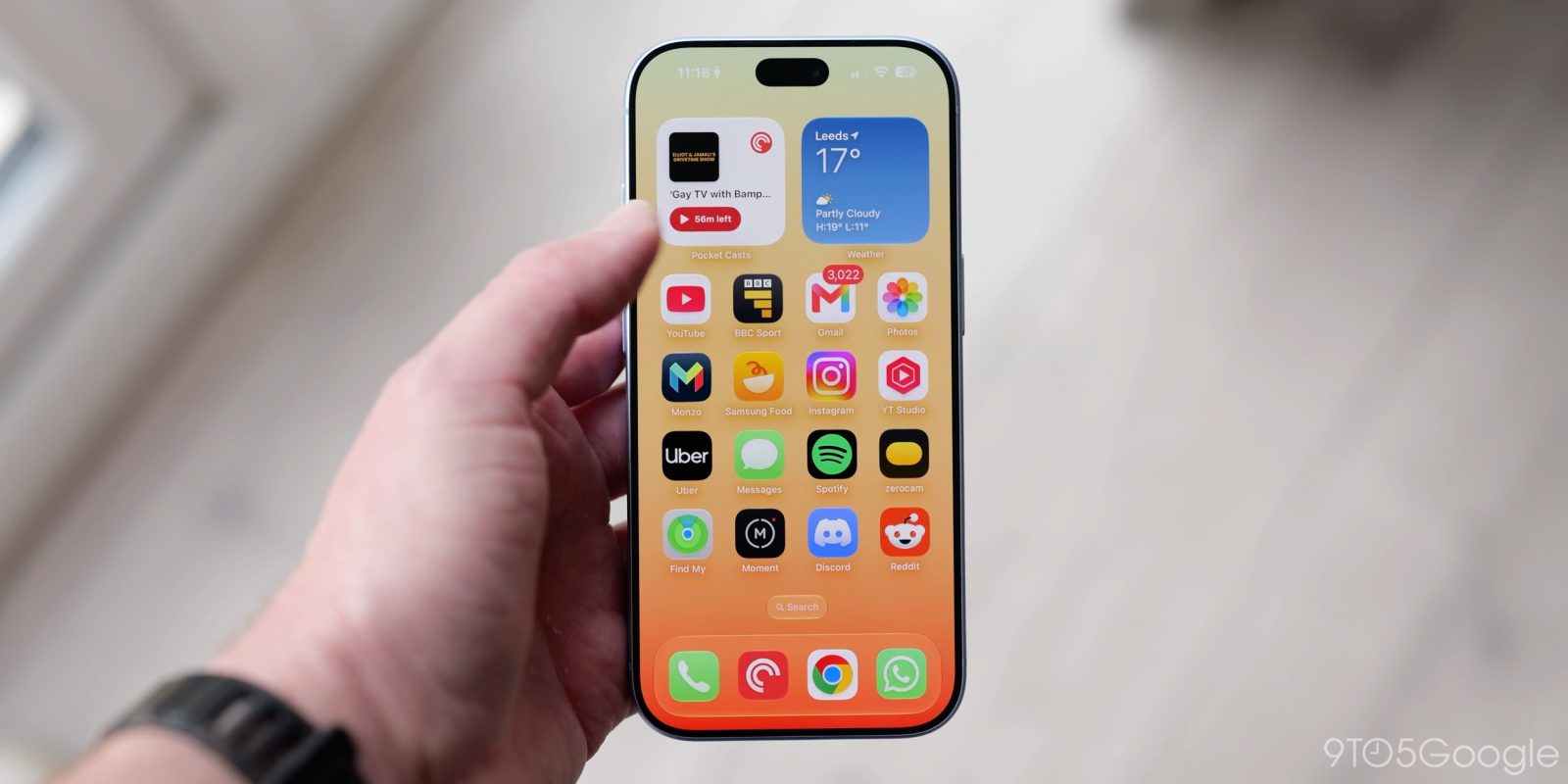
Imagine this scenario: you open a favorite app on your iPhone to check your morning schedule, but instead of the main page, the app closes by itself. Do that a few dozen times across different apps, and you start to think your phone is broken. It turns out the culprit isn't your device at all, but a bug on the infrastructure side that briefly took down a whole ecosystem.
Thousands of iPhone applications built on top of Google's Firebase service experienced sudden crashes in the middle of the night. Users on the iOS platform reported that apps simply refused to launch or closed instantly without warning. The good news? Google has already deployed a patch, and the problem appears to be resolved.
What Went Wrong With Firebase?
Firebase is a Backend-as-a-Service (BaaS), which is a developer toolkit that provides ready-made server components so app creators don't have to build everything from scratch. It handles things like user authentication (the login system), databases, push notifications, and analytics. Think of it as an electrical grid: app developers don't generate their own power, they just connect to the network and draw what they need.
When a single node in that grid malfunctions, every lamp on the block flickers. That's roughly what happened here, though the report doesn't specify the exact component that failed. Since Firebase backs theclient-side (the part that runs on your phone) SDK (Software Development Kit, the bridge library apps use to talk to the service), a server-side disruption propagated all the way down to end-user devices.
Why Does a Cloud Glitch Reach Your Pocket?
This is the part that surprises most people. Many assume an app runs entirely on the phone, and in the past that was largely true. But the modern app model is far more dependent on remote services. The app icon on your homescreen is basically just a thin shell; the real logic, data, and configuration often live on someone else's servers.
"Apps have become thin clients. The moment their backend misbehaves, the user experience collapses instantly, and there's nothing the user can do about it."
That structural dependency is a real lesson in reliability engineering: a service that millions of developers treat as invisible plumbing can turn into a single point of failure. A glitch lasting hours can still trigger massive disruption, particularly when it happens during off-peak hours when internal monitoring teams may be at reduced staffing levels.
The Fix and the Bigger Picture
Google said the issue has been addressed, restoring normal app behavior. Importantly, this kind of incident usually requires no action from end users — no reinstall, no update, no settings change. The repair happens entirely on the provider's side.
Still, it's worth asking a harder question: how prepared are platforms for the next outage? As ecosystems grow, dependency chains get longer — one component's failure can cascade into unrelated products. This kind of event tends to push engineering teams toward redundancy (having backup systems), timeouts that fail gracefully instead of crashing, and better communication channels so affected developers learn about problems before their users do.
Why It Matters Beyond Your Phone
The real headline here isn't a night of broken apps. It's a reminder that our daily digital habits run on shared, often invisibleinfrastructures. When one of them stumbles, the impact is measured in millions of failed launches, support tickets, and lost trust.
For developers, the takeaway is practical: monitor third-party dependencies, design apps that degrade gracefully when offline, and avoid treating any single backend as guaranteed. For users, the takeaway is simpler — if everything breaks at once, it's probably not you.
In an era defined by platform consolidation, where a handful of cloud providers underpin enormous swaths of theecosystem, reliability becomes a competitive feature in its own right. Firebase's quick patch is reassuring, but the pressure to build more resilient systems will only keep growing.








Comments (0)