 suwandi-tan
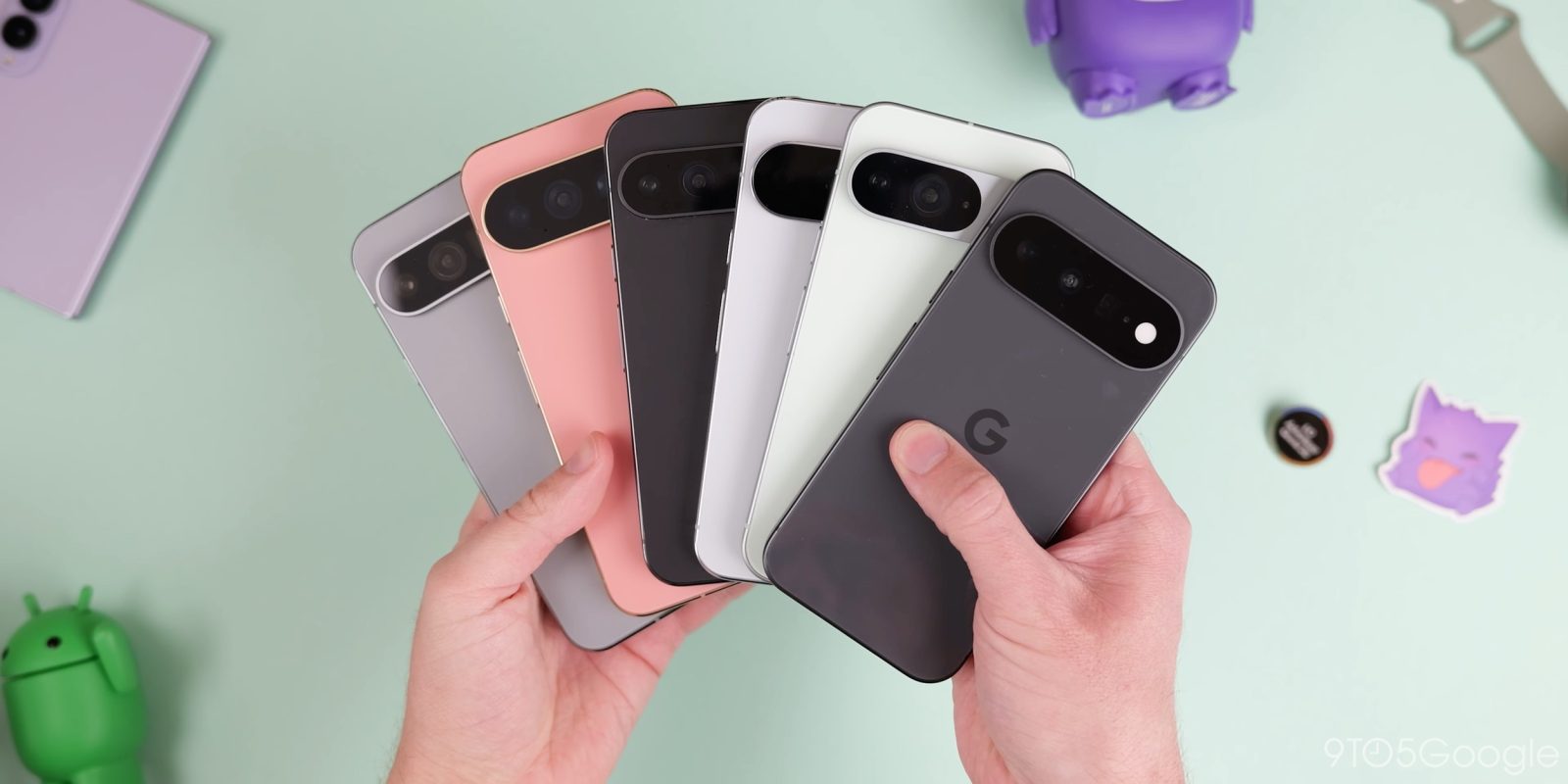
Hampir setiap autumn, dunia teknologi排队 waited for one question again: which Google Pixel deserves the crown? Now the lineup has just expanded with a new generation of phones, and the timing feels right to look back. Google first unveiled the Pixel and Pixel XL on 4 October 2016, ending the era of the Nexus line that had long been treated as an afterthought for Android (mobile operating system) enthusiasts. A decade later, the question is no longer whether Google's own phones exist, but which one deserves to be called the best in the company's hardware history. For users still holding an older device, this retrospective matters: the differences between generations are often clearer than the marketing suggests.
Why Pixel Matters More Than Ever
Before2016, most smartphone buyers chose a phone based on the chip inside or the camera's megapixel count. Google rewrote that rulebook. The Pixel series popularized computational photography, an approach where the phone's processor reconstructs a photo after it is taken, adjusting lighting, sharpening detail and balancing color. Ibarat seperti seorang fotografer yang tidak hanya mengambil gambar, tetapi mengeditnya secara digital sebelumixon.shared, this technique became a standard expectation for the entire industry within two years.
The practical impact on daily life is easy to feel. Night shots stopped being dark, blurry rectangles. Portrait mode began to separate the subject from the background reliably. Voice dictation, which once failed constantly, became accurate enough for hands-free messaging. Google's phones also pushed the idea that software could be updated for seven years, protecting the value of a device long after purchase.
The Turning Point: The Tensor Era
The most dramatic break in the series arrived in 2021, when Google introduced its own silicon instead of relying on Qualcomm. The Tensor chip delivered the first major upgrade to computational imaging since the original Pixel, and it marked Google's independence from outside suppliers. Later generations refined this path: a mid-range processor variant, a Pro version with a sharper telephoto lens, and on-device AI (Artificial Intelligence/kecerdasan buatan) capable of summarizing text, cleaning up audio and answering questions without an internet connection.
That last feature deserves emphasis because it changes the definition of a smartphone. Machine learning (pembelajaran mesin), the method behind it, runs on the phone itself rather than in a distant data center. For travelers, commuters and privacy-conscious users, this is not a gimmick but a genuine benefit.
Which Generation Wins?
The argument divides cleanly into three camps. The 2016 originals hold sentimental and historical weight: they launched the brand, defined the design language still recognizable today, and prove that a camera can be excellent with modest hardware. Pixel and Pixel XL remain the reference point for pure photography.
The2021 models, Pixel 6 and Pixel 6 Pro, represent the biggest leap. The Pro variant's larger sensor, polished display and performance jump make them the most complete package of their era, even if later phones fixed their shortcomings.
The newest families compete on intelligence rather than imaging. Models such as the Pixel 9 brought on-device assistants that rewrite messages, remove distractions from video calls and organize screenshots. The generation that followed continues that direction, adding longer support windows and hardware tuned specifically for AI features that previously required cloud computing.
There is a fourth camp, often overlooked: the mid-range phones that arrived later under the same brand. Their value is straightforward. They inherit Google's camera processing and software updates while costing considerably less, which makes them the rational choice for most buyers.
How to Choose in the Midst of a Generational War
If the goal is photography, buy the newest model you can afford, since processing improves every cycle. If battery endurance matters most, check independent endurance tests rather than manufacturer claims. If the phone is a secondary device used for text and social media, the mid-range option is more than sufficient.
Ultimately, the best Pixel is subjective because it depends on what you value. What is not subjective is the trajectory. In ten years, Google's hardware went from a cautious experiment to a benchmark for the industry, and the next decade will likely be judged by the same standard: how much intelligence can a phone provide without sending your data anywhere?










Comments (0)